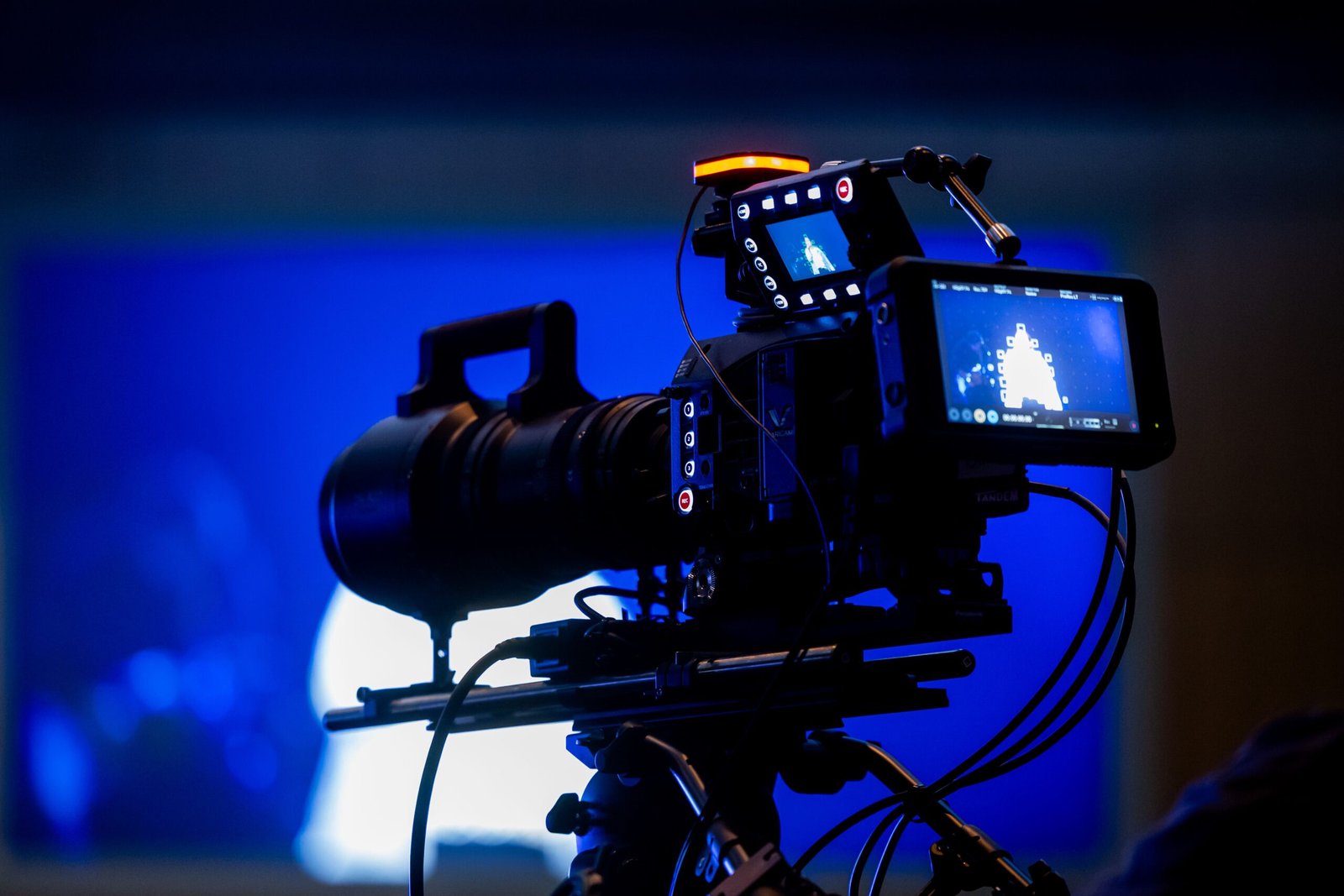
EXECUTIVE SUMMARY: Public commitments by tech figures to generate full-length cinematic adaptations—such as The Odyssey—using multimodal neural networks have sparked widespread debate across film studios regarding the technical readiness of generative media pipelines.
🔬 THE TECHNICAL REALITIES OF AI FILM GENERATION
1. Temporal & Spatial Consistency Challenges
While text-to-video diffusion models can generate hyper-realistic multi-second clips, maintaining character identity, lighting continuity, and 3D spatial coherence across a two-hour feature film remains an unsolved technical hurdle.
2. Compute Requirements for 4K Rendering
Rendering high-frame-rate, uncompressed 4K cinematic video using generative models requires massive GPU cluster allocation, often exceeding the cost of traditional digital VFX rendering pipelines.
3. Intellectual Property & Training Data Guardrails
Commercial distribution of AI-generated feature films faces complex legal hurdles surrounding training dataset attribution, copyright registration for machine-generated assets, and union agreements.
📊 AI VIDEO GENERATION CAPABILITY BENCHMARK
| Technical Milestone | Current Model Capability | Enterprise Production Requirement |
| Sequence Duration | 5 – 10 Second Clips | Seamless Multi-Minute Scenes |
| Character Consistency | Seed & Reference Prompting | Rigid 3D Character Mesh Continuity |
| Audio & Dialogue Sync | Synthetic Lip-Sync Overlays | Dynamic Multi-Track Acoustic Panning |
To review official developer benchmarks and open-source generative media research, inspect the documentation indexed on the Hugging Face Documentation.