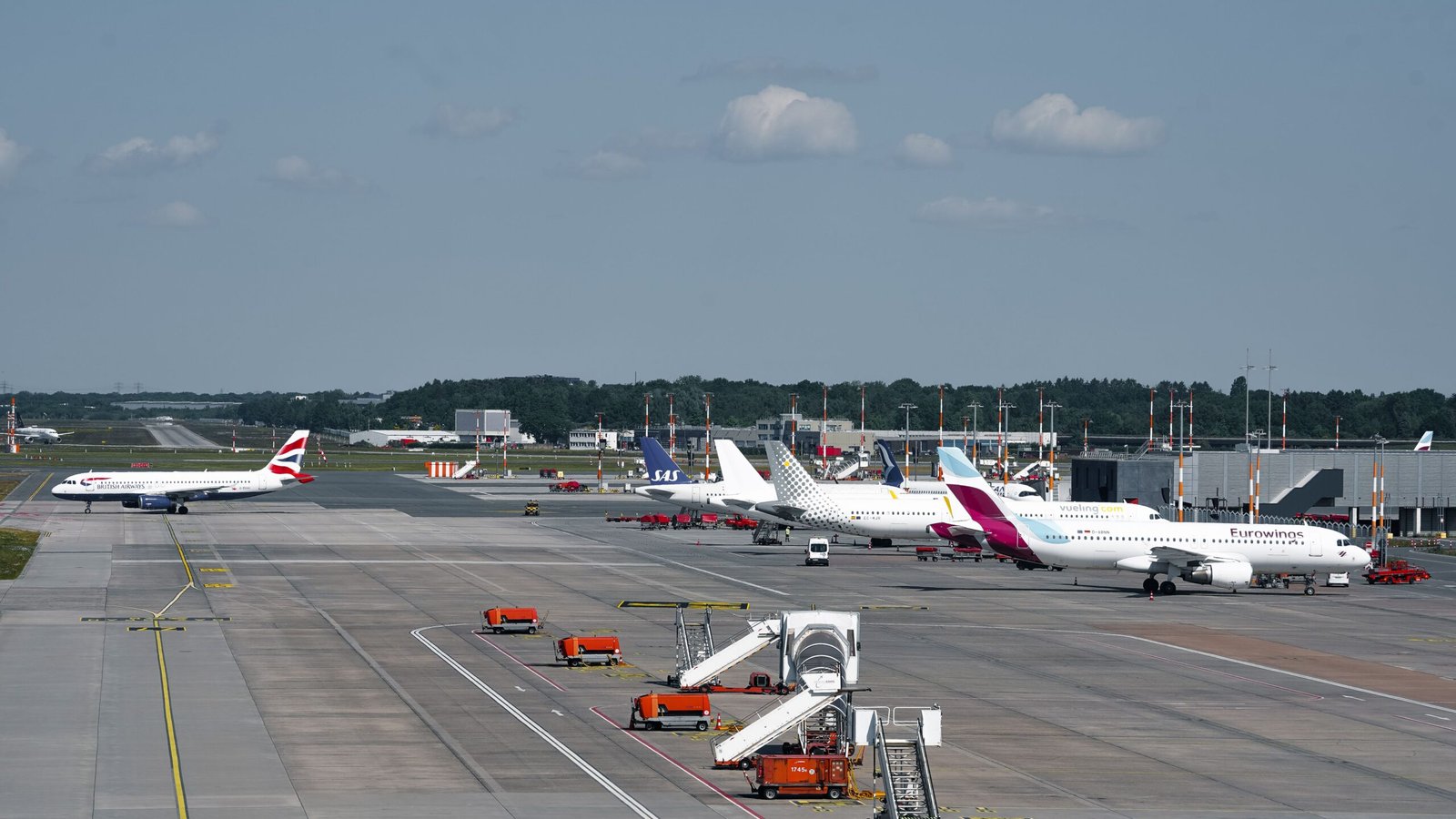
Executive Summary: The Aviation Shift of 2026
London Heathrow Airport (LHR) is experiencing an unprecedented surge in international transfer passenger traffic. As geopolitical tensions and airspace restrictions in the Gulf region force global airlines to reroute long-haul flights, London has re-emerged as the primary transit hub connecting the Western Hemisphere with Asia and Europe.
This strategic shift is redefining international flight paths, driving premium ticket prices, and altering revenue distribution across major global airlines.
Financial & Economic Impact Matrix
| Metric / Indicator | Pre-Shift Baseline | Current Aviation Trend | Market / Economic Impact |
| Transatlantic Transit Volume | Standard Operational Capacity | +14.2% YoY Increase | LHR captures premium passenger yield |
| Middle East Hub Rerouting | High Gulf Transit Dominance | -18.5% Airspace Avoidance | Traffic diverted to European corridor |
| Aviation Fuel Surcharges | Stabilized Index | +6.8% Operational Cost | Higher ticket margins for direct routes |
| Airline Stock Volatility | Neutral Forecast | IAG & British Airways Upward Trend | Investor confidence shifts to Western hubs |
Wall Street & Aviation Investor Key Takeaways
- Revenue Realignment for Western Carriers: International Consolidated Airlines Group (IAG), the parent company of British Airways, stands as the primary beneficiary of increased hub density at Heathrow.
- Fuel and Airspace Efficiency Deficits: Longer flight paths around restricted Gulf airspace are increasing fuel burn, prompting airlines to lean on established hub-and-spoke models like London LHR for optimal load factors.
- Yield Optimization Over Volume: Airlines operating through Heathrow are seeing higher Revenue per Available Seat Mile (RASM) due to high demand for secure, direct transatlantic transfer routes.
Frequently Asked Questions (FAQ)
Q1: Why are passengers avoiding Gulf transit hubs?
Travelers and commercial airlines are opting for European transit corridors due to increasing airspace volatility, rerouting delays, and insurance premium adjustments in certain Middle Eastern flight corridors.
Q2: How does LHR handle the increased transfer volume?
Heathrow has optimized its Terminal 5 transfer infrastructure, prioritizing high-yield international passengers to maintain operational efficiency despite slot capacity constraints.