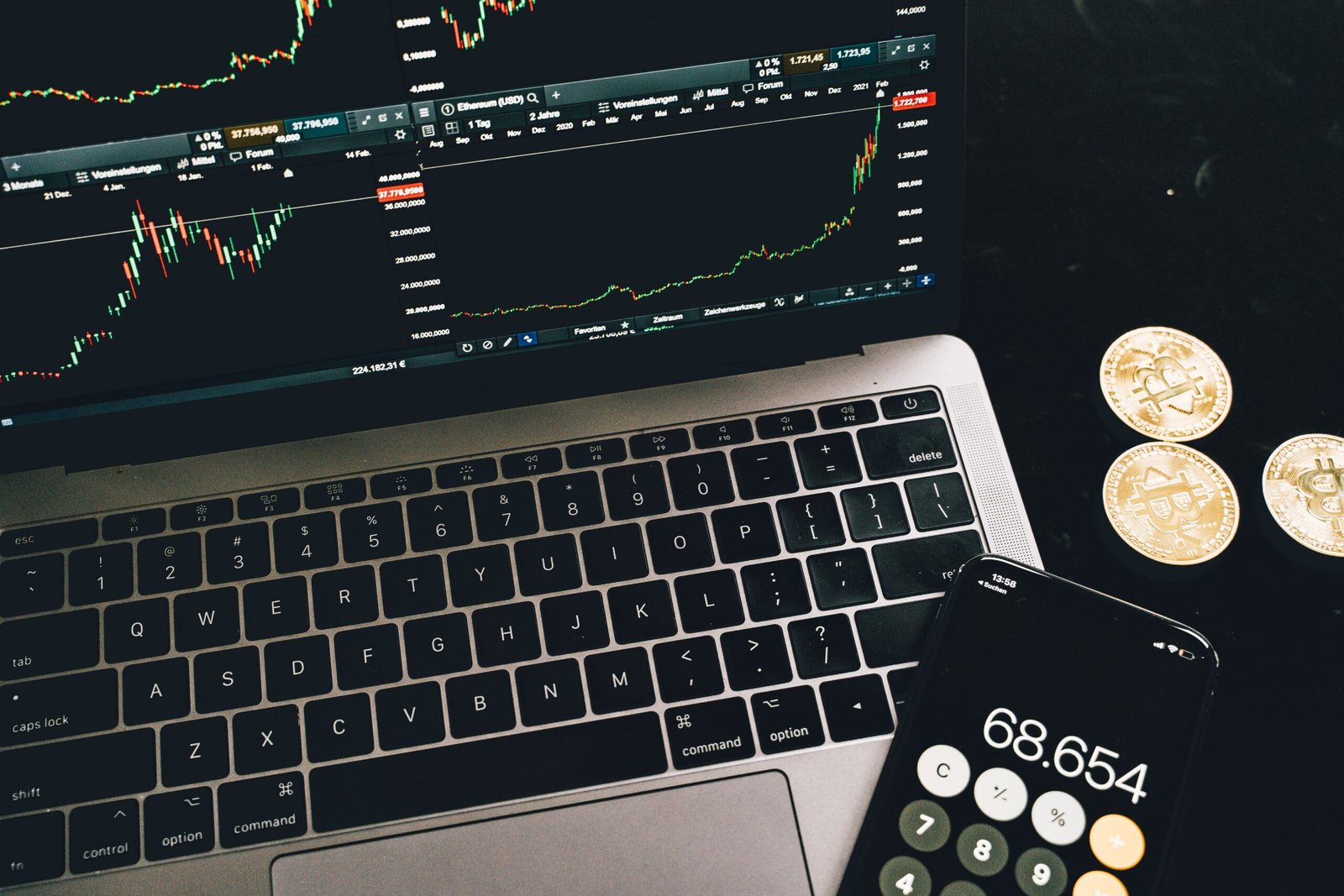
Executive Summary: Building Resilience in Digital Asset Markets
Participating in modern digital asset markets requires more than analyzing technical charts. Developing a sustainable cryptocurrency trading strategy demands a disciplined combination of strict position sizing, automated risk controls, and robust self-custody wallet security to protect assets against market volatility and cyber threats.
Whether managing spot portfolios or utilizing automated trading algorithms, institutional traders emphasize risk management above speculative returns. Implementing institutional-grade security protocols ensures long-term capital preservation while navigating shifting regulatory and market conditions.
Trading Architecture Matrix: Self-Custody vs. Exchange Wallets
| Security Vector | Centralized Exchange Storage | Hardware Cold Storage Wallet | Portfolio & Asset Advantage |
| Private Key Ownership | Held by third-party exchange custodian | 100% User-Controlled Private Keys | Eliminates counterparty risk & exchange insolvency |
| Cyber Attack Vulnerability | High target for server-side exploits | Offline Air-Gapped Storage | Immune to online malware and remote hack vectors |
| Transaction Execution | Instant order matching engine | Requires Physical Device Sign-Off | Adds hardware-level biometric validation |
| Yield & Staking Control | Exchange-determined staking cuts | Direct On-Chain Validator Delegation | Maximizes direct network yield returns |
Essential Pillars of Crypto Risk Management
- Enforcing Strict Position Sizing Rules: Professional risk parameters dictate risking no more than 1% to 2% of total portfolio capital on a single trade setup. This protects capital reserves during unexpected market drawdowns.
- Utilizing Hardware Cold Storage Wallets: Storing long-term digital asset holdings offline in hardware cold wallets ensures private keys never interact with internet-connected devices, eliminating remote phishing and malware threats.
- Implementing Automated Stop-Loss Orders: Setting pre-calculated stop-loss levels removes emotional bias during rapid price swings, automatically liquidating positions if market support levels break.
- Diversifying Across Asset Correlations: Balancing digital asset holdings across layer-1 blockchains, decentralized finance (DeFi) protocols, and real-world asset (RWA) tokens hedges against localized ecosystem failures.
Frequently Asked Questions (FAQ)
Q1: What is the best cryptocurrency trading strategy for beginners?
A dollar-cost averaging (DCA) approach combined with strict 1%-2% position sizing and long-term hardware cold wallet storage is widely recommended for sustainable risk management.
Q2: Why are hardware cold wallets safer than exchange wallets?
Hardware cold wallets store private keys offline in an air-gapped environment, rendering assets completely inaccessible to online hackers or exchange counterparty risks.