Have you ever abandoned an activity you genuinely loved simply because the community around it became unbearable?
A viral public reckoning has erupted across consumer forums as thousands of hobbyists step forward to expose the hobbies with most annoying fans, dissecting how unchecked gatekeeping, financial elitism, and obsessive purism drain the pleasure from everyday recreation.
The Friction Index: Subculture Toxicity Breakdown
Casual Curiosity ➔ Elitist Gatekeeping ➔ Turf & Gear Wars ➔ Recreational Burnout
| Pastime Category | Primary Source of Toxicity | Behavioral Manifestation | Collateral Fallout |
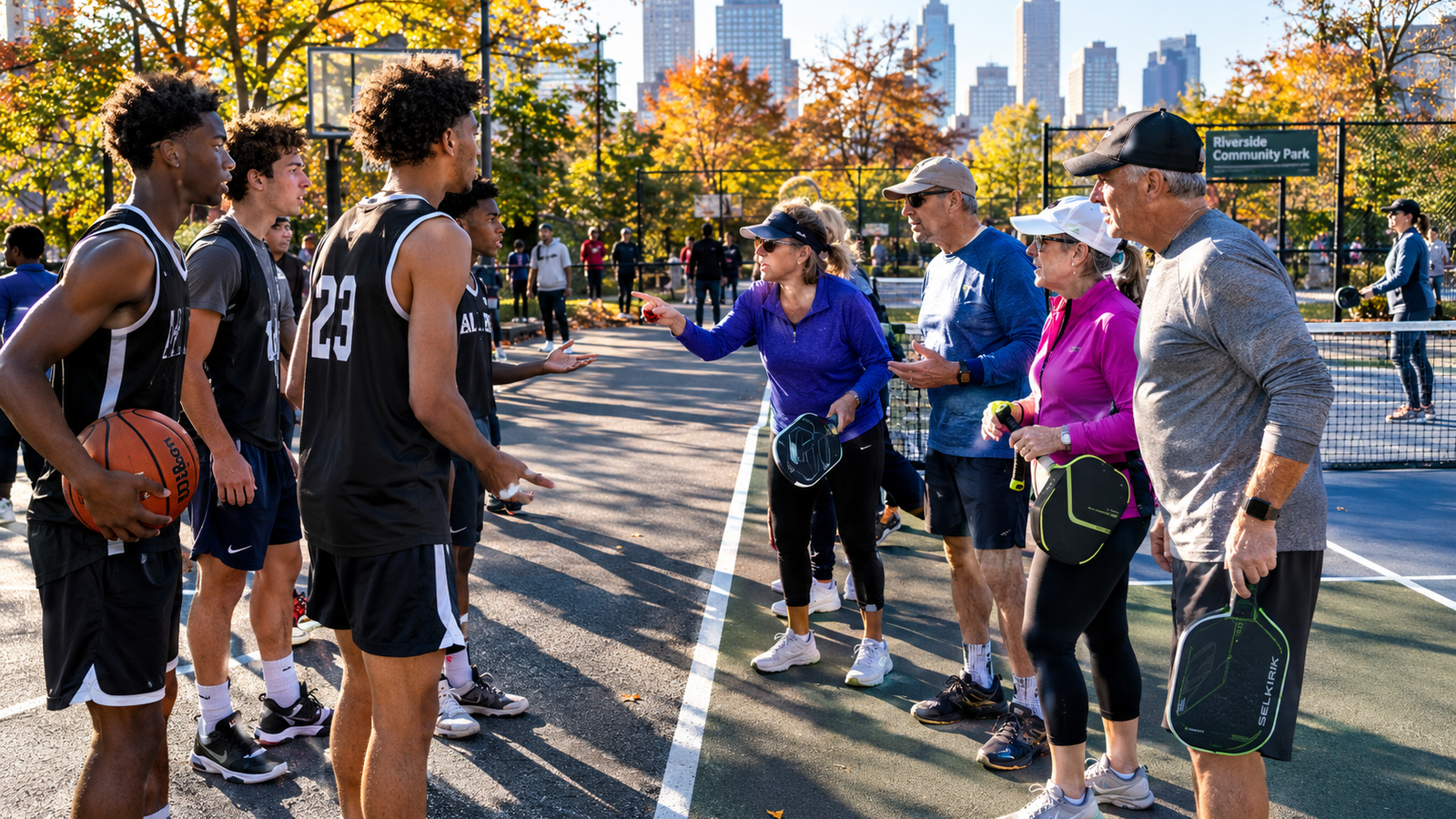
| Pickleball | Hyper-evangelism & spatial invasion | Appropriating public basketball/tennis courts mid-match | Severed personal relationships, neighborhood noise battles |
| Equestrian Sports | Unchecked socioeconomic elitism | Shaming riders without private horses or premier tack | Prohibitive barrier to entry for working-class youth |
| Horology (Watches) | Brand-driven snobbery | Demeaning micro-brands and entry-level pieces | Disincentivizing emerging adolescent collectors |
| Amateur Cycling | Pseudosport performance posture | Commuters treating local streets like the Tour de France | Public hostility toward pedestrian shared lanes |
The Turf Wars: Pickleball, Airsoft, and Court Invasions
Few athletic pastimes have experienced the parabolic ascension of pickleball, but its sudden ubiquitous presence has sparked outright spatial warfare:
- Court Hijacking: Public park recreation spaces report persistent conflicts where aggressive pickleball enthusiasts assemble modular nets directly over active full-court basketball games.
- Lifestyle Obsession: Disillusioned participants recount fractured social circles and broken relationships sparked by partners turning a paddle game into their sole personality trait.
- Airsoft Polarization: Tactical combat recreation fields report deep hostility between battle-hardened veterans running military-grade setups and hyper-aggressive juveniles wielding over-tuned equipment.
High-Dollar Gatekeeping: Watches, Horses, and Craft Tastes
When recreational activities require capital expenditure, social stratification frequently curdles into open condescension:
- Watch Collecting Contempt: Veteran horologists routinely ridicule novices donning Swatch or independent micro-brands as sporting “poor man’s substitutes,” poisoning introductory enthusiast spaces.
- Equestrian Superiority: Stables frequently operate under rigid classism, where riders without personal horse ownership or top-tier bespoke leatherwork face direct social exclusion.
- Artisanal Purism: From specialty single-origin espresso extraction to small-batch craft brewing, connoisseurs regularly substitute haughty judgment for genuine hospitality.
Trivia Snobbery: Trains, Comics, and Local Theater
Intellectual and creative pastimes remain equally vulnerable to hyper-competitive gatekeeping:
- Esoteric Rail-Watching: Veteran trainspotters transform relaxed trackside observation into hostile inquisitions over obscure railway leasing treaties from the 1920s.
- Comic Book Paternalism: Veteran collectors frequently condescend to newer fans, turning casual pulp fiction discussions into pedantic gatekeeping.
- Local Stage Friction: Community theater groups frequently fracture between tyrannical perfectionists treating unpaid rehearsals like Broadway and negligent actors failing basic cue commitments.
Why This News Matters & What Happens Next
The pervasive decay of hobby spaces underscores a broader societal loneliness epidemic.
As third places—neutral communal environments outside home and corporate offices—continue to vanish, individuals increasingly channel their identity and self-worth into consumer hobbies.
When a recreational pastime becomes a surrogate for self-esteem, participants weaponize esoteric jargon, expensive gear, and competitive gatekeeping to manufacture artificial status.
Moving forward, expect an aggressive counter-cultural return to isolated, solo leisure.
Frustrated hobbyists are progressively retreating into private spaces, deliberately avoiding organized leagues, clubhouses, and toxic social forums to protect their mental peace.
Key Highlights: 5-Point Quick Summary
- Widespread Backlash: Thousands expose subcultures where toxic enthusiasts drive away newcomers.
- Pickleball Court Conflicts: Rapid growth triggers territorial disputes over shared municipal park infrastructure.
- Financial Gatekeeping: Watch collectors and equestrian athletes encounter intense gear snobbery.
- Creative Friction: Local theater and chess clubs report high rates of social cliquishness.
- The Solitary Retreat: Amateurs increasingly pursue personal hobbies privately to avoid overzealous communities.
Frequently Asked Questions (FAQ)
What are the hobbies with the most annoying fans?
Consistently cited pastimes include pickleball, equestrian riding, luxury watch collecting, road cycling, craft brewing, and competitive trading card gaming.
Why do hobby communities become toxic and elitist?
Toxicity often develops when enthusiasts tie personal self-worth to an activity, utilizing obscure technical trivia and expensive equipment to manufacture status and exclude newcomers.
How can beginners avoid gatekeeping in new hobbies?
Beginners should seek out beginner-specific meetups, practice independently before joining competitive leagues, and curate private, supportive peer groups rather than large open internet forums.
What Hobby Subculture Drove You Away?
Have you ever walked away from a sport, game, or collection because the other participants made it unbearable? Which community do you think is the friendliest to novices?
Drop your personal experiences in the comments below! If this subculture breakdown hit close to home, share it with your network.