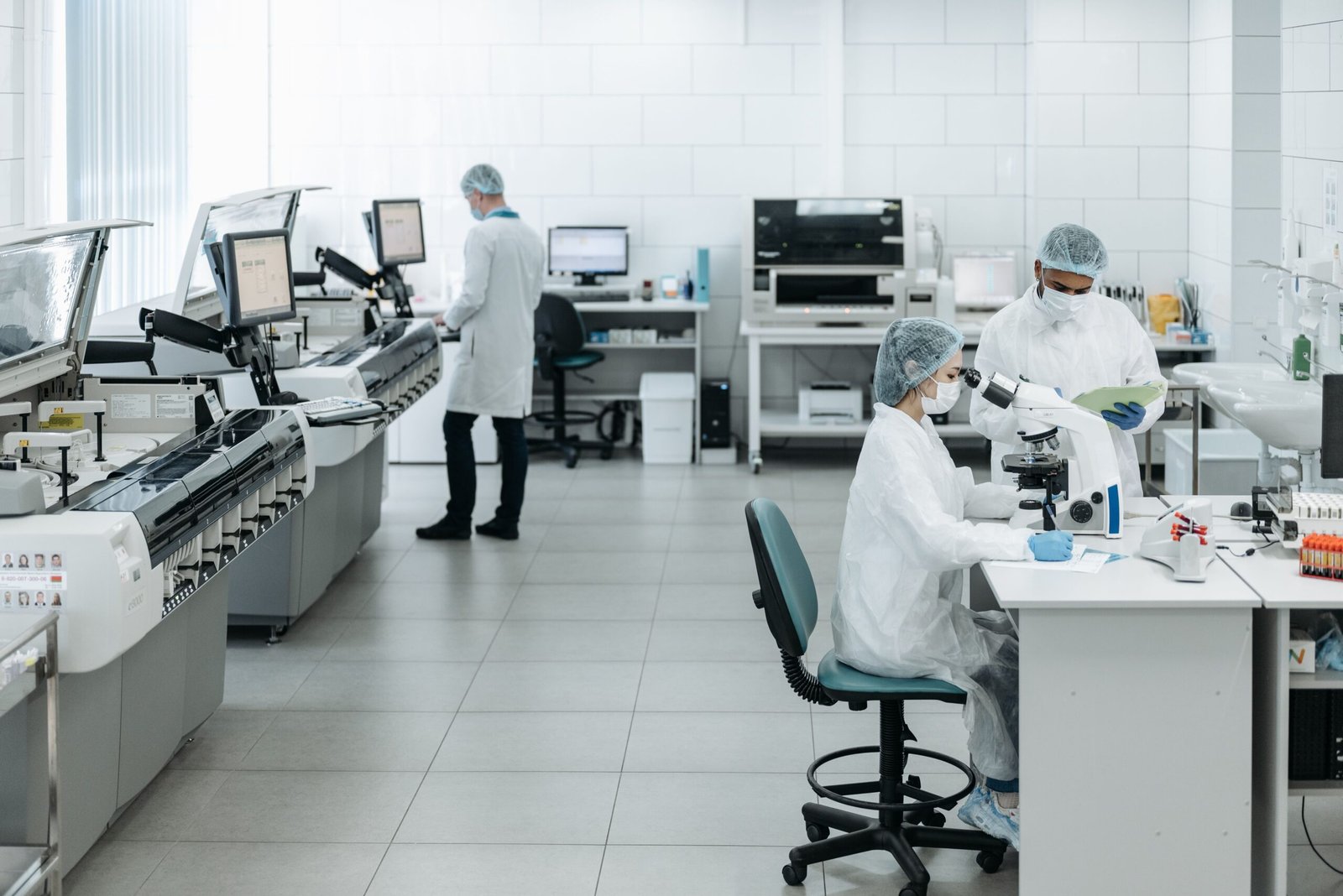
Executive Summary: Generative Biology Achieves Viable Viral Assembly
The intersection of artificial intelligence and life sciences crossed a historic threshold on August 7, 2026, as international research teams confirmed the deployment of generative large-genome models capable of designing functional, viable bacteriophage viruses from scratch. Engineered specifically to neutralize treatment-resistant superbug infections, these AI-designed viruses demonstrate how generative neural networks can solve complex molecular chemistry challenges.
However, the ability of AI models to construct functional genomic sequences has amplified biosecurity concerns regarding potential dual-use risks. In response, frontier AI developer Anthropic announced comprehensive upgrades to its Fable 5 biology safeguards, establishing real-time genomic screening and mandatory verification protocols across commercial DNA synthesis providers.
Biosecurity Matrix: Traditional Gene Editing vs. Generative AI Synthetic Biology
| Research & Security Vector | Traditional Genetic Engineering (CRISPR) | Generative Large-Genome AI Models | Biosecurity & Healthcare Impact |
| Design Architecture | Modifies existing natural genetic templates | Generates novel genomic sequences de novo | Accelerates custom phage therapy against superbugs |
| Synthesis Speed & Scale | Months of lab trial-and-error | Minutes of computational sequence generation | Lowers R&D costs for anti-bacterial therapeutics |
| Dual-Use Pathogen Risk | Limited by known biological building blocks | Potential to generate novel uncharacterized viral strains | Requires mandatory automated DNA provider screening |
| Safety Protocol Horizon | Physical lab containment & peer review | Fable 5 AI guardrails & synthesis API filters | Blocks dangerous sequence generation at the prompt level |
Strategic Pillars of Anthropic’s Updated Biology Safeguards
- Pre-Synthesis Sequence Screening: AI biology models are now integrated with commercial DNA synthesis foundries to automatically flag, cross-reference, and block orders containing dangerous viral or toxin gene sequences.
- Context-Aware Intent Verification: Safeguard pipelines evaluate user prompts in real time, differentiating between legitimate medical research (such as targeting E. coli or Pseudomonas) and unauthorized pathogen engineering.
- Hardware & API Containment (Fable 5): Anthropic’s updated safety framework restricts frontier models from outputting actionable step-by-step assembly instructions for dangerous biological agents.
- Global Alignment with Gene Synthesis Alliances: Leading AI labs and biotechnology networks are establishing standardized API protocols to ensure open-weights and proprietary models adhere to unified biosecurity benchmarks.
Frequently Asked Questions (FAQ)
Q1: What are bacteriophages and how are AI models designing them?
Bacteriophages are specialized viruses that infect and destroy specific bacteria. Generative large-genome AI models analyze biological code to write novel DNA sequences that assemble into functional phages capable of killing drug-resistant superbugs.
Q2: What is Anthropic’s Fable 5 biology safeguard program?
Fable 5 is Anthropic’s biosecurity framework designed to prevent AI models from generating dangerous biological sequences, assisting in pathogen creation, or bypassing DNA synthesis screening protocols.