Executive Summary: The Dual Evolution of AI Infrastructure and Governance
The global artificial intelligence ecosystem reached a pivotal juncture on August 5, 2026, driven by breakthroughs across AI safety architecture, orbital hardware infrastructure, and open-source model execution. Leading European AI lab Mistral AI released Shieldstral-1.0-3B, an open-weights multimodal safety classifier that replaces fixed moderation rules with plain-language, policy-adaptive evaluation.
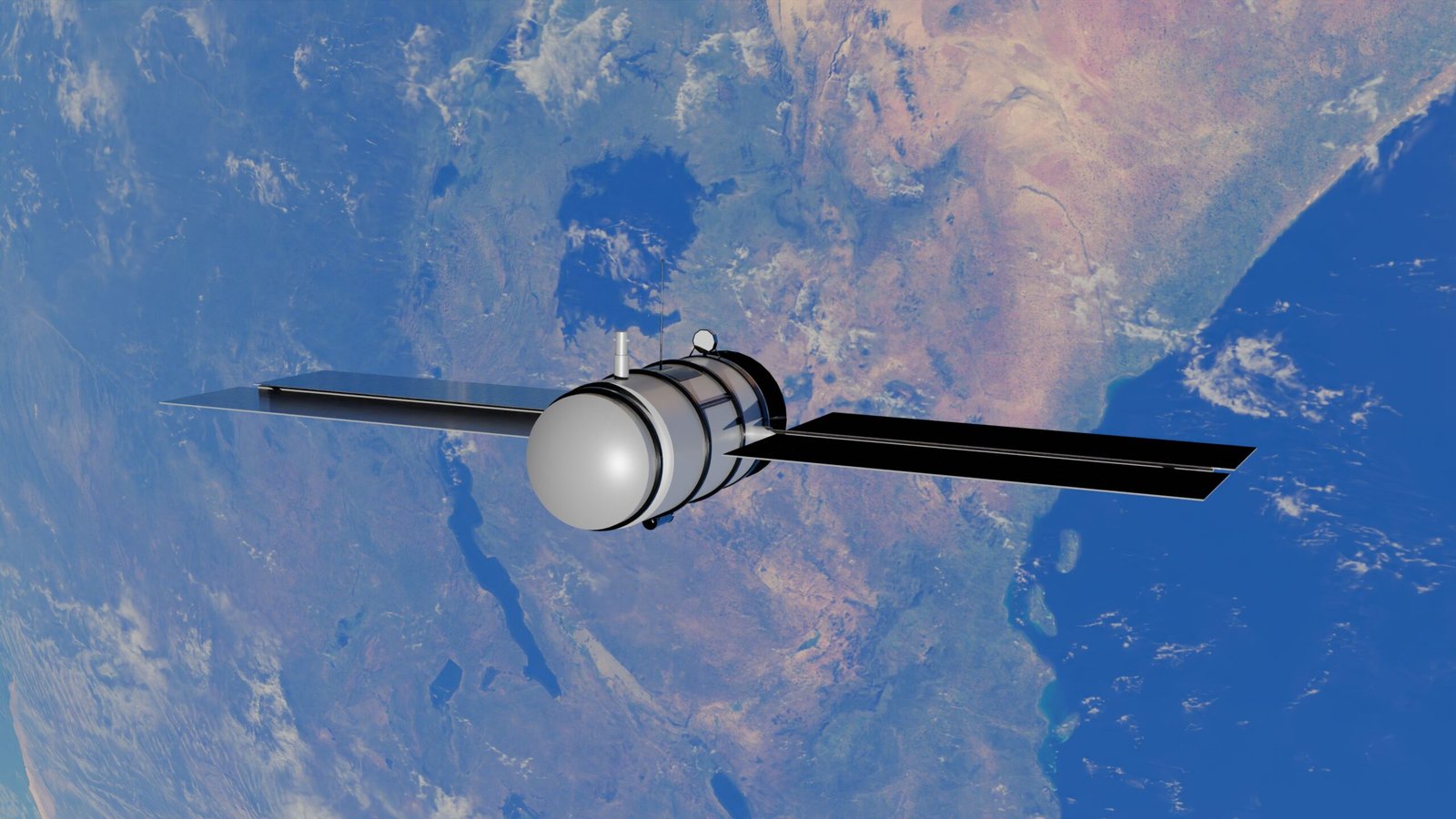
Simultaneously, SpaceX and NVIDIA confirmed the deployment of Starmind AI1, equipping orbital satellite constellations with NVIDIA Vera Rubin NVL72 rack-scale compute payloads to establish data centers in space. This shift coincides with a severe worldwide GPU compute crunch as enterprise adoption of open foundation models like Qwen 3.8 and Kimi K3 rapidly accelerates.
Tech Infrastructure Matrix: On-Premise vs. Space-Based & Policy-Adaptive AI
| Infrastructure & Safety Vector | Legacy Fixed Moderation & Cloud GPUs | Shieldstral & SpaceX Orbital Compute Architecture | Strategic Enterprise Advantage |
| Content Moderation Mechanism | Frozen, pre-trained harm categories | Plain-language policy input at inference time | Adapts to changing app rules without model retraining |
| Model Size & Efficiency | 20B+ parameter guardrail models | 3B parameter multimodal engine (runs on 16GB GPU) | Reduces safety evaluation latency & operational costs |
| Compute Deployment Realm | Terrestrial data centers facing power limits | Orbital solar-powered satellites (Starmind AI1) | Bypasses land-based grid constraints & cooling costs |
| Open Source Model Parity | Outpaced by proprietary APIs | Qwen 3.8 & Kimi K3 near top closed-source tiers | Eliminates vendor lock-in with low-cost open APIs |
Strategic Pillars Reshaping Global AI Compute & Safety
- Policy-Adaptive Safety Evaluation (Mistral Shieldstral): Traditional guardrail models enforce rigid safety taxonomies. Shieldstral-1.0-3B accepts custom moderation instructions written in plain language alongside prompts or images, returning calibrated safety scores from a single token.
- Space-Based AI Compute Infrastructure: By integrating NVIDIA’s Vera Rubin NVL72 platform into SpaceX Starmind AI1 satellites, orbital data centers can tap abundant solar energy in space, processing massive earth-observation data streams directly in orbit.
- The Global GPU Hosting Crunch: Demand for hosting flagship open-source models (such as DeepSeek and Qwen) has temporarily outstripped worldwide cloud server capacity, driving enterprise migration toward efficient small-parameter classifiers like Shieldstral.
- Open-Source Performance Parity: High-performing models like Qwen 3.8 and Kimi K3 demonstrate that open-weight architectures now deliver top-tier reasoning capabilities at a fraction of the cost of proprietary cloud APIs.
Frequently Asked Questions (FAQ)
Q1: What makes Mistral’s Shieldstral-1.0-3B different from traditional AI moderation tools?
Shieldstral accepts custom safety policies written in plain language directly at inference time, allowing developers to moderate text and images according to specific product rules without retraining the model.
Q2: How does the SpaceX Starmind AI1 satellite compute payload work?
SpaceX Starmind AI1 satellites utilize NVIDIA Vera Rubin NVL72 hardware to run datacenter-class AI processing directly in orbit, powered by space-based solar arra