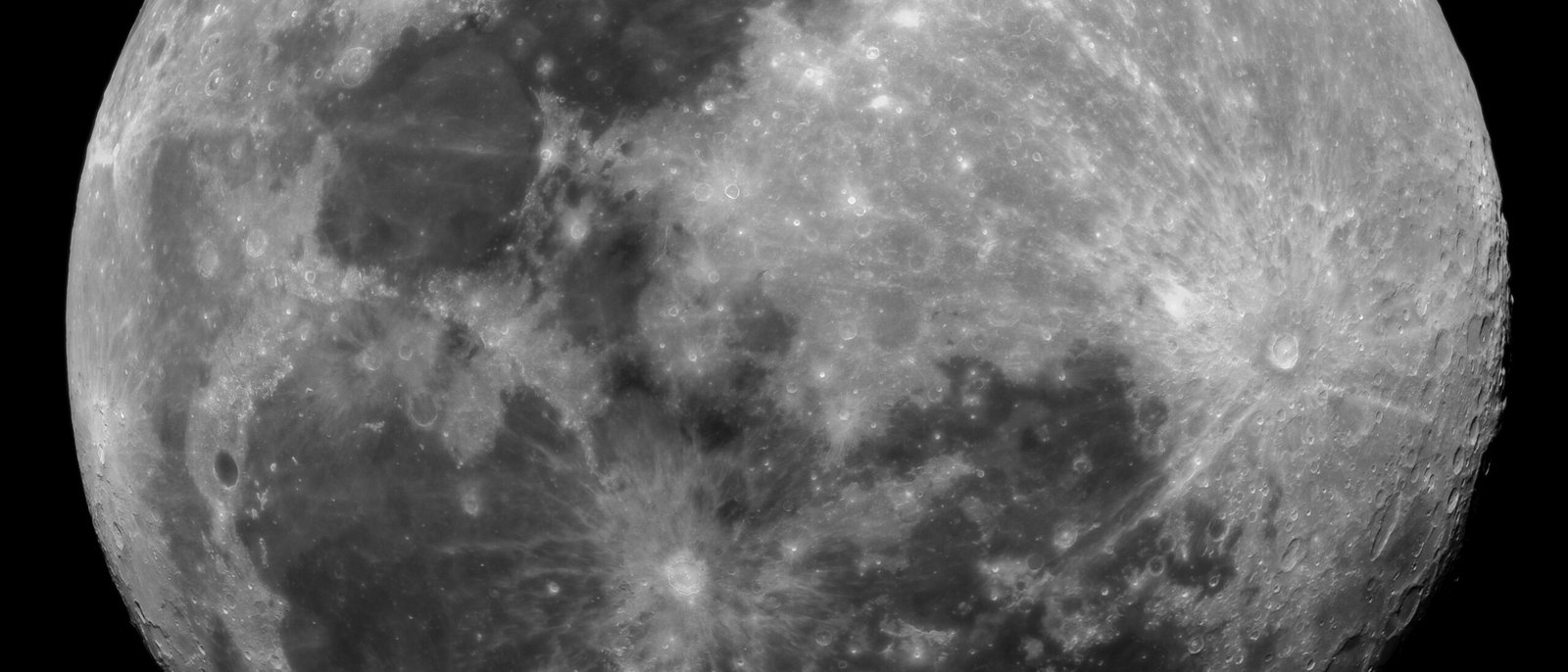
Executive Summary: An Artificial Impact Probe on the Lunar Surface
On August 5, 2026, space tracking observatories confirmed that a spent SpaceX Falcon 9 upper stage was on a final, unavoidable trajectory to collide with the Moon. Striking sunlit terrain near the Einstein Crater on the lunar eastern limb at approximately 5,400 mph (2.4 km/s), the 39-foot, 8,800-pound booster is expected to carve out a brand-new crater between 60 to 90 feet in diameter.
While the impact highlights the mounting challenges of deep-space orbital debris management, international astronomers and planetary scientists view the collision as an invaluable, controlled artificial experiment to analyze lunar impact dynamics, seismic wave propagation, and ejecta plume chemistry.
Event Dynamics Matrix: Natural Impactors vs. Controlled Artificial Impact
| Scientific & Physical Vector | Natural Meteoroid Lunar Impact | Falcon 9 Upper Stage Artificial Impact | Planetary Science & Research Advantage |
| Impactor Mass & Speed | Variable (milligrams to tons at 30k+ mph) | 3.9 metric tons (8,800 lbs) at 5,400 mph | Provides known baseline mass & kinetic energy calculations |
| Collision Timing & Location | Completely unpredictable | Precise target window near Einstein Crater | Allows real-time optical & spectroscopic telescope alignment |
| Observation Objectives | Casual sky survey recordings | Measuring ejecta plume height & flash luminosity | Calibrates seismic instruments for future Artemis lunar bases |
| Environmental Hazard | Natural surface alteration | Non-hazardous lunar surface debris | Informs deep-space hardware disposal policies |
Scientific Discoveries Expected From Today’s Lunar Impact
- Measuring Ejecta Plume Behavior: As the booster impacts sunlit terrain, ground and space-based optical telescopes will capture the resulting plume to analyze dust dynamics and subsurface soil density.
- Testing Impact Localization Algorithms: Space science networks are utilizing the artificial impact to refine automated detection pipelines for pinpointing seismic events across the Moon’s surface.
- Calibrating Artificial Crater Models: By comparing pre- and post-impact high-resolution orbital imagery from lunar reconnaissance satellites, researchers can validate crater formation models against known impactor dimensions.
- Establishing Deep-Space Debris Standards: As commercial missions to the Moon proliferate under the Artemis framework, managing rocket stages in high-Earth and lunar orbits is becoming a priority for international space agencies.
Frequently Asked Questions (FAQ)
Q1: Does today’s Falcon 9 moon impact pose any danger to Earth or satellites?
No. The impact occurs entirely on the lunar surface roughly 238,000 miles from Earth and poses zero threat to Earth, operational satellites, or active lunar orbital craft.
Q2: Why didn’t the Falcon 9 upper stage return to Earth like the first stage?
Falcon 9 first-stage boosters land back on Earth for reuse, but second-stage boosters burn their propellant entirely to push payloads into deep space, leaving them in high elliptical orbits where they eventually drift.