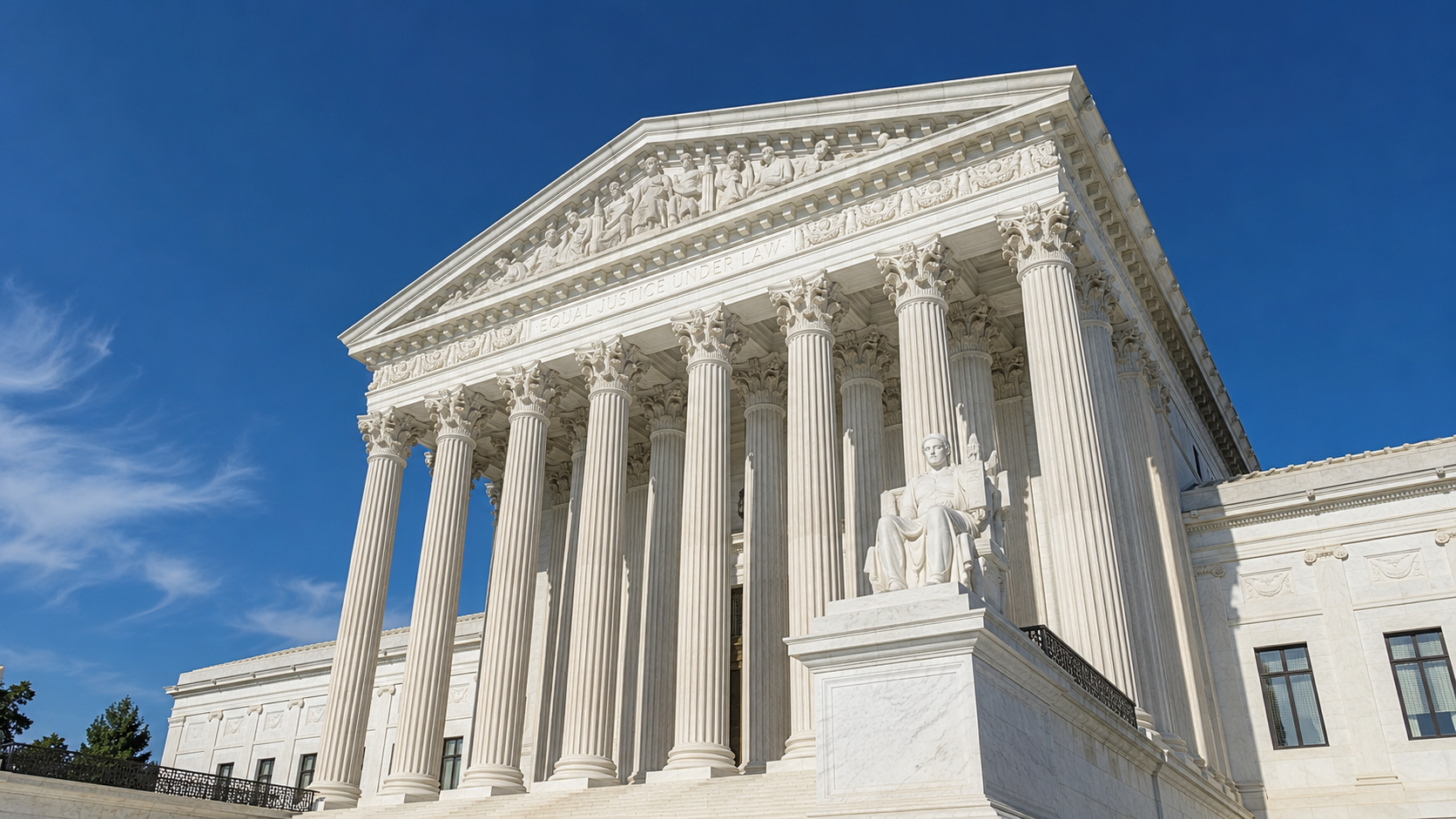
In a monumental constitutional showdown, the United States Supreme Court has issued a historic ruling protecting birthright citizenship, deliverly a massive legal blow to the Trump administration’s aggressive immigration overhaul. In a definitive majority decision, the nation’s highest court officially struck down federal attempts to deny automatic U.S. citizenship to children born on American soil to undocumented parents.
The highly anticipated verdict heavily safeguards the long-standing interpretation of the 14th Amendment’s Citizenship Clause. Legal tracking from CNBC and the New York Times confirms that the landmark ruling permanently solidifies constitutional protections that have anchored American civil rights law for generations.
The Legal Framework: Upholding Centuries of Precedent
The core of the legal challenge rested on whether an administration could execute an executive order or targeted legislation to bypass standard constitutional mandates. The Supreme Court’s majority opinion heavily reinforced past judicial doctrine:
- The 14th Amendment Secured: The court ruled that the phrase “All persons born or naturalized in the United States, and subject to the jurisdiction thereof, are citizens” leaves zero room for administrative manipulation based on a parent’s legal status.
- The Wong Kim Ark Legacy: The bench relied significantly on the historic 1898 precedent United States v. Wong Kim Ark, reaffirming that territorial birth remains the primary, absolute absolute factor in acquiring American citizenship.
- Congressional Intent: Data from the Congressional Research Service (CRS) notes that any fundamental modifications to birthright protocols would legally require a full, formal Constitutional Amendment approved by Congress, rather than solo executive actions.
📊 US Supreme Court Birthright Citizenship Decision Breakdown
The historic ruling marks a major victory for civil rights advocates and immigration coalitions across the United States, who argued that removing birthright status would create a massive, unstable permanent underclass.
| Constitutional Metric | Prior Interpretation | SCOTUS 2026 Binding Verdict | Impact on Immigration Policy |
| 14th Amendment Clause | Automatic citizenship for all births. | UPHELD (Unconditional Protection) | Safeguards citizenship for children of undocumented immigrants. |
| Executive Authority | Trump Admin sought an executive ban. | REJECTED (Declared Unconstitutional) | Establishes that executive branches cannot override the Constitution. |
| Precedent Status | U.S. v. Wong Kim Ark (1898) | REAFFIRMED as Absolute Law | Prevents future legal challenges from dismantling birthright norms. |
According to statements compiled by the American Immigration Council, the ruling brings immense clarity and relief to millions of families across the country, ensuring that the foundational legal principle of jus soli (right of the soil) remains fully intact.
🙋♂️ Frequently Asked Questions (FAQs)
Q1: What did the Supreme Court rule on birthright citizenship today?
The U.S. Supreme Court officially ruled to protect birthright citizenship, striking down the administration’s attempts to deny automatic citizenship to children born in the United States to undocumented parents.
Q2: How does the 14th Amendment affect birthright citizenship?
The 14th Amendment of the U.S. Constitution contains the Citizenship Clause, which guarantees that anyone born on American soil is automatically a citizen of the United States, regardless of their parents’ nationality or legal immigration status.
Q3: Can a President end birthright citizenship through an Executive Order?
No. The Supreme Court’s definitive ruling establishes that the Executive Branch does not possess the constitutional authority to alter or dismantle birthright citizenship, as it is a permanent constitutional mandate that requires an amendment process to change.