The global race for Artificial Intelligence dominance has hit a massive infrastructure bottleneck. According to an explosive report by the Financial Times, tech giant Google has officially capped Meta’s usage of its Gemini AI models. The decision comes as the skyrocketing global demand for AI processing power severely strains Google’s data center capacity.
This unprecedented move highlights a growing crisis in Silicon Valley: the world is running out of the computational infrastructure needed to sustain the ongoing AI boom.
The Core Conflict: Why Did Google Limit Meta?
While Meta (formerly Facebook) is heavily developing its own open-source AI models like Llama, the company also relies on external advanced models, including Google’s Gemini API, for various internal testing, cross-model evaluations, and specific application integrations.
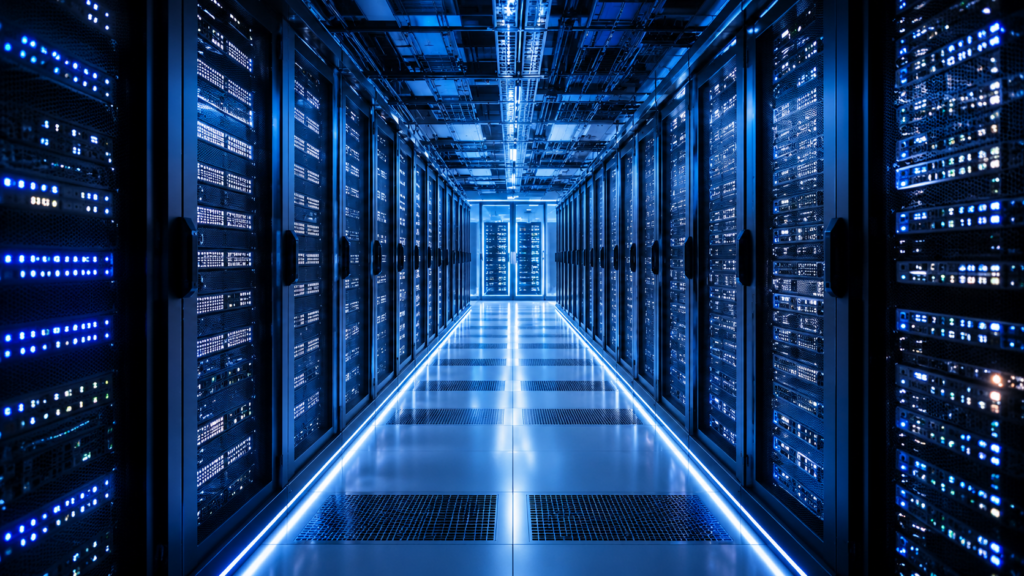
However, as hundreds of millions of users engage with AI tools daily, data centers are operating at maximum capacity. Google’s internal teams and cloud customers require massive GPU and TPU processing power. To protect its own ecosystem and ensure stability for its direct services, Google had to make the difficult decision to restrict the amount of server bandwidth allocated to Meta.
🔑 Key Highlights of the AI Infrastructure Strain
- Capacity Bottleneck: High-end AI chips (like NVIDIA’s GPUs and Google’s custom TPUs) are in extremely short supply, making it impossible for data centers to expand fast enough.
- The Cost of AI: Running millions of complex AI queries every second requires immense electrical power and cooling, pushing tech giants to their absolute physical limits.
- Billion-Dollar Rivalry: This cap intensifies the underlying tension between Google and Meta, as both companies compete directly for the crown of the ultimate AI superpower.
What This Means For The Future of AI Tools
Industry analysts warn that this capacity crunch won’t just affect tech giants—it could soon impact regular users. If server strains continue without massive hardware upgrades, consumers might experience:
- Slower Response Times: AI chatbots and generators taking longer to process queries during peak hours.
- Stricter Free Tiers: Companies might limit free access to their best AI models, pushing users toward paid monthly subscriptions.
Neither Google nor Meta has released an official joint statement addressing the exact technical terms of the API cap, but the tech world on Reddit and X (Twitter) is already calling this a major turning point in the AI era.