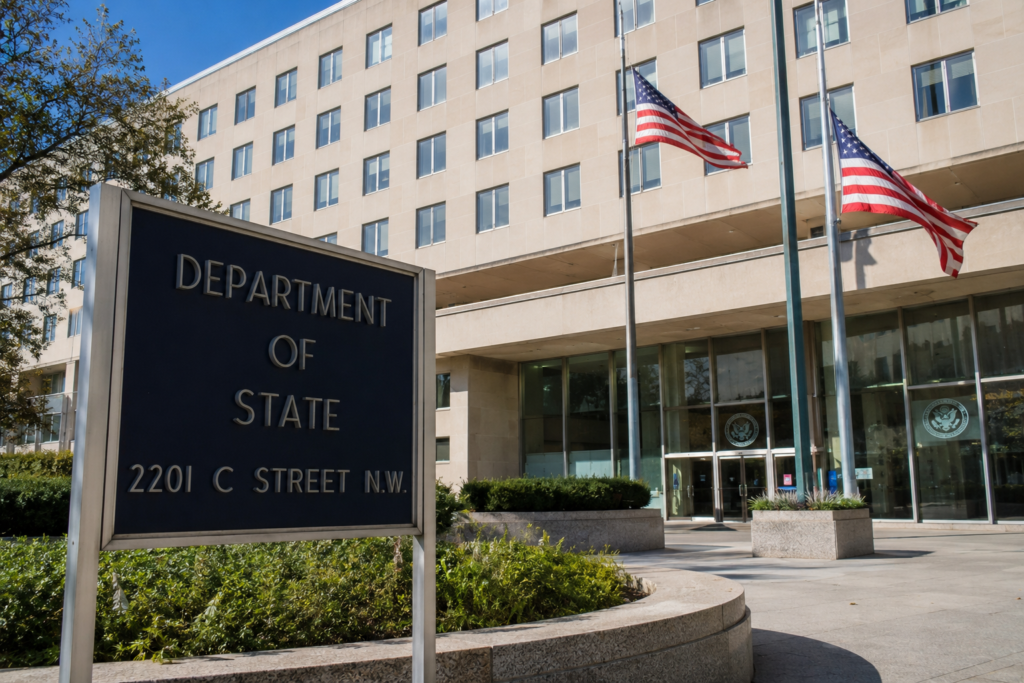
Tensions continue to escalate in the Middle East as Israeli military forces maintain active operations in southern Lebanon, with Prime Minister Benjamin Netanyahu firmly declaring that troops will not withdraw from occupied zones. Concurrently, Lebanese group Hezbollah has accused Israel of targeting civilians attempting to return to their homes in the southern region, resulting in multiple casualties. These ongoing clashes served as a tense backdrop to the fifth round of diplomatic negotiations hosted at the US State Department, which recently concluded a three-day session without a definitive agreement, though US Secretary of State Marco Rubio expressed cautious optimism regarding an outline for future stabilization.
The regional volatility continues to ripple through vital global energy corridors, particularly the Strait of Hormuz. Following a diplomatic meeting in Bahrain, US officials and Gulf allies explicitly rejected any Iranian-imposed fees or transit restrictions on the strategic waterway. This stance directly counters warnings from Iran’s Islamic Revolutionary Guard Corps (IRGC) regarding unauthorized crossings. The strain on this critical maritime chokepoint remains a major source of international friction, highlighting the delicate balance of global trade and maritime security during prolonged geopolitical conflicts.
As Washington maintains its diplomatic pressure to establish long-term framework infrastructure for peace, contradictory rhetoric continues to challenge the process, with some Israeli diplomatic officials previously characterizing the talks as highly difficult. The primary objective for international mediators remains focused on keeping communication channels open between Israel and Lebanon, aiming to establish sustainable, durable security agreements capable of stabilizing the wider landscape.