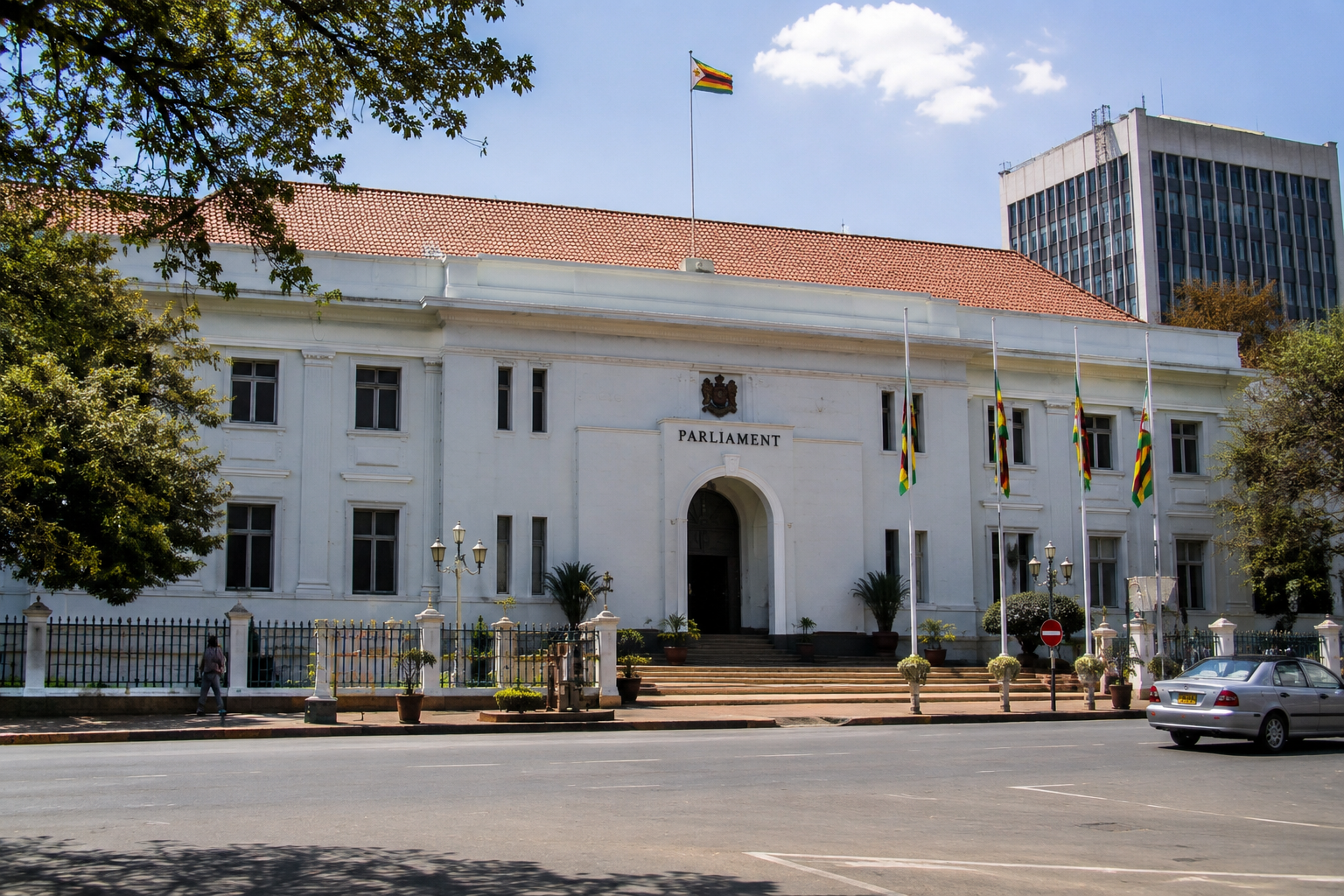
Zimbabwe is on the verge of a major constitutional overhaul after the upper house of parliament voted overwhelmingly to extend presidential terms from five to seven years. The Zimbabwe Senate approved the amendments with a 75-4 majority on Wednesday, following its passage in the lower house last week. The changes will allow 83-year-old President Emmerson Mnangagwa to potentially remain in office until 2030, a move the government claims will foster long-term political stability and policy continuity.
A key provision of the controversial bill replaces direct presidential elections with a system where parliament appoints the president. This structural change has drawn intense criticism from opposition figures, who have labeled the legislative shift as a “calculated constitutional coup.” Critics argue that the amendments strip Zimbabwean citizens of their fundamental democratic right to vote directly for their leader, effectively replacing popular sovereignty with parliamentary selection by a legislature they claim is heavily influenced by the ruling Zanu-PF party.
The government, represented by information ministry permanent secretary Nick Mangwana, has firmly rejected the coup characterizations, defending the amendments as a legitimate legislative exercise. Officials stated that the primary goal is to adjust the electoral cycle to reduce the frequency of highly polarizing and contested elections. Furthermore, the government noted that a public consultation process received over 537,000 submissions with a vast majority supporting the changes, and maintained that there is no legal requirement for a national referendum to approve these amendments.
However, opponents of the constitutional changes report widespread harassment and suppression during the campaign and public hearing phases. High-profile figures, including lawyers and members of the Constitutional Defenders Forum (CDF), have alleged intimidation and physical assaults by unidentified groups, though the national police force has denied involvement in these specific incidents. As President Mnangagwa is expected to sign the bill into law next month, international observers express concerns that the political climate may mirror past eras of heavy centralized power and regional instability.